UGC Ad Studio/Walkthrough

Walkthrough · UGC Ad Studio

Cast an AI creator and cut the ad from the takes.

Pick one of fourteen creator formats, add your product, and an actor is cast and filmed to that format's beats. Then the same editor from Video Director cuts the takes into a branded spot, and you change it by talking.

The whole walk · seven stops

From a format you pick to a creator ad you never had to shoot

Seven stops, in the order the studio runs them. Where it is, how the actor gets cast and filmed, how your own footage joins, how you trim, what the director writes and scores, how the cut gets made and changed, and where the keeper goes.

1. Open UGC Ad Studio
sidebar → Video → UGC Ad Studio
2. Pick the format, cast the actor
fourteen formats, a fresh actor, the takes
3. Add your own footage
takes and your clips, one pool
4. Trim to the moment
the hook, the demo, the CTA
5. The words and the sound
captions, the actor's voice, a bed
6. Create and iterate by talking
a live preview, numbered takes
7. Render and keep
MP4, a project on Brand Videos

Your client wants creator-style ads, and there's no creator, no shoot, and no time to book either.

UGC Ad Studio is in the sidebar under Video, once you've picked the client's kit. Here's exactly where to click.

Step 1 · Open UGC Ad Studio

It's in the sidebar, under Video

Pick the client you're working on. Then open Video in the left sidebar and click UGC Ad Studio. Every take it makes lands in that client's kit.

1Pick the client's brand kit
on the dashboard — the studio is kit-scoped
2Sidebar → Video
the Video section: Brand Video & Audio, then the studios
3UGC Ad Studio
second studio in the list — or the hub card Direct · UGC Ad Studio
The studio · prompt-first, The Style on top
Describe your ad — the director cuts your footage, writes the copy, and scores it from your brand. Or just drop footage below and hit Create.
Story 9:16 ▾preview is live — render only when it's rightCreate Video Cut
Fine-tuneSimpleAdvanced
The Style
TestimonialUnboxingTutorialTry-OnProblem → FixFriend InterviewHyper-MotionStreet Interview+6 more · See examples
The Footage — your timelinedrop clips · trim · reorder
The Wordskicker · headline · subline · CTA · Auto Caption
The Soundmusic · narration
Lookoverlay style · project name
The sidebar · Video
Video
Brand Video & Audio
Video Director
UGC Ad Studioclick here
Motion Ads
Motion Graphics Studio
Video Editor Studio
What's different here
It casts the creator for you
pick a format and a fresh actor is filmed to it, your product in frame — no creator to book, no shoot to run.
Every format is a proven formula
fourteen creator formats that already convert, each with its own cast, beats and pacing.
Then it's Video Director
the same editor cuts the takes and anything you bring, and you change the cut by talking.

First, you pick the kind of creator ad, and the studio casts and films the creator for you.

Fourteen proven formats. Pick one, add the product, click Generate takes, and a fresh actor's reel lands on your timeline.

Step 2 · Pick the format, cast the actor

Pick one of fourteen creator formats, add the product, click Generate takes — a fresh actor is cast and filmed to that format

The Style is where a UGC ad starts. Fourteen creator formats sit as badges — Testimonial, Unboxing, Try-On, Street Interview, Mirror Selfie, Podcast and the rest — and See examples shows you three reels of each. Pick one, drop in the product shot, set the spoken language, and click Generate takes. A fresh actor is cast and filmed to that format's formula: its cast, its beats, its pacing, a real room, the product in frame. The reel lands on your timeline and in the kit, already read, ready to cut. Or skip this step and cut footage you already have.
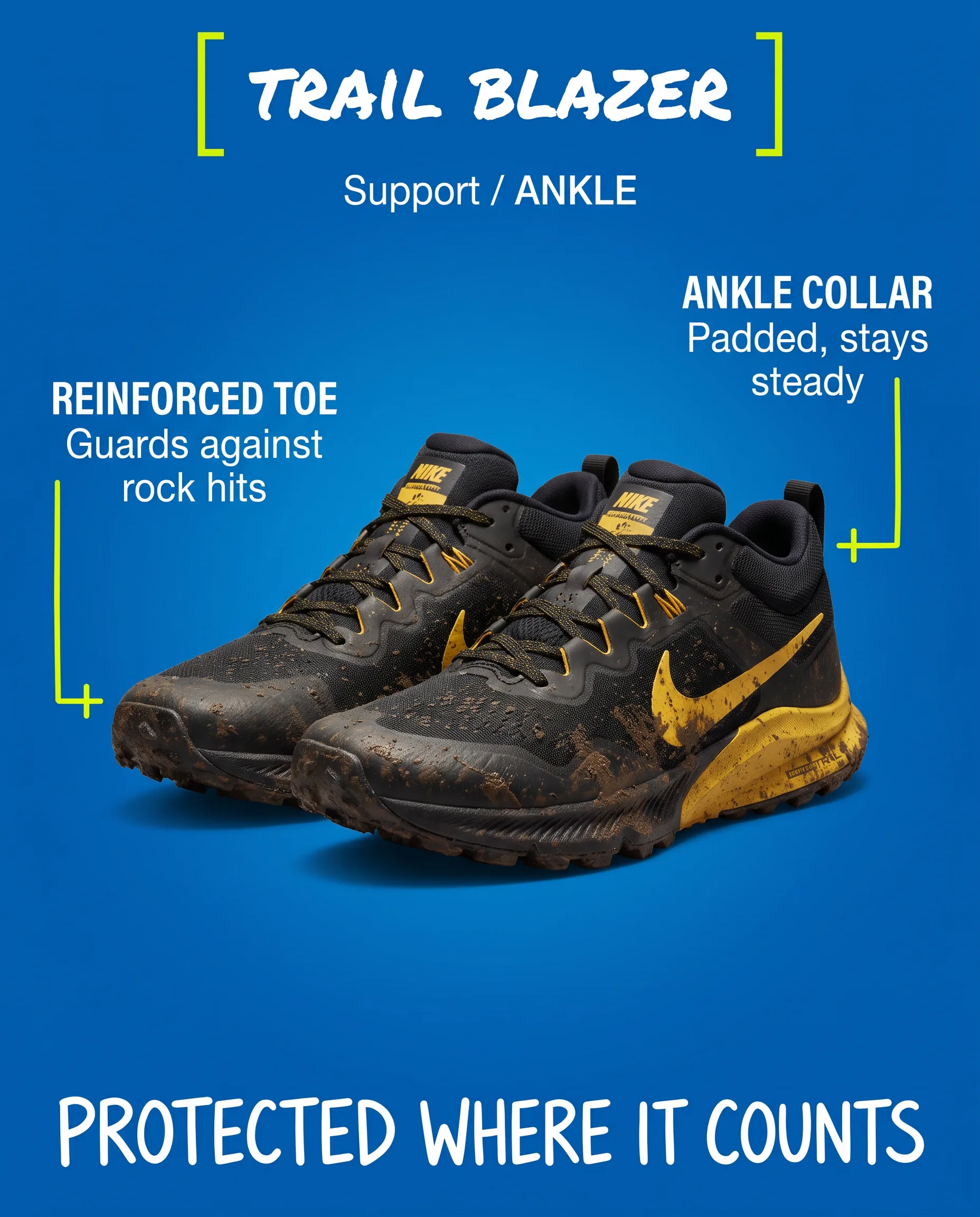
The Style · UGC styles
See examples
TestimonialUnboxingTutorialTry-OnProblem → FixFriend InterviewHyper-MotionStreet InterviewWalking & TalkingMirror SelfieStreamPodcastCar TalkingShow It Off
The product shot, added to the format
Testimonial · the trail shoe
product shot attached · Language: English
Generate takes
Casting your actor — watch it come in on the timeline.
Your actor reel is saved to the kit and on the timeline — ready to cut.
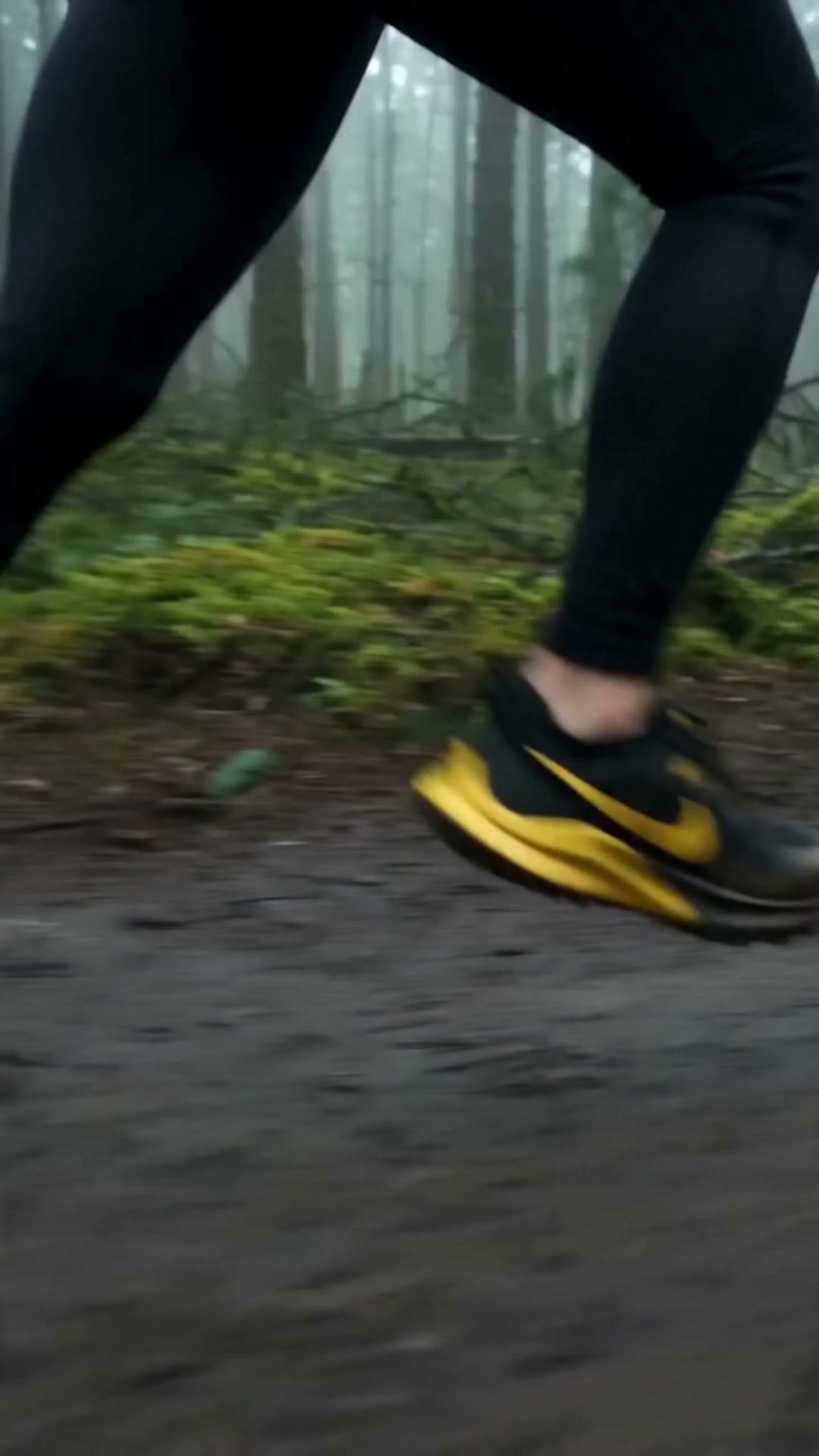
A format is a formula · Testimonial
A frame from the cast actor's reel
The cast
one creator, talking to camera — two for a Friend Interview
The beats
hook → the product in hand → the honest reason → the close
The room
a real, lived-in space with real clutter — not a set
The read
unhurried, one silent beat, natural sound, no music baked in
Each of the fourteen carries its own rules. A Friend Interview casts two people. Hyper-Motion cuts an actor's hook against a fast product reel and settles on the pack. Problem → Fix earns its slow moment on the transformation. The formula is built in, so the reel can't drift off it.

Then you add anything you already have, and it all sits on one timeline.

Your clips and product shots join the cast reel as one pool of footage, each one read on the way in.

Step 3 · Add your own footage

The reel and anything you bring sit on one timeline — the director cuts from all of it

The generated reel is already on the timeline. Add the clips and product shots you have — a real customer's phone video, the studio pack shot, last season's spot — from the kit or straight from the desk. Each one is read on the way in: what happens in each scene, what's said, where the subject sits and where type can go. Generated takes and your own footage become one pool of coverage, and the cut can mix them freely.

The Footage — your timeline
testimonial-reel.mp4 on the timeline
Take reel1
testimonial-reel.mp4
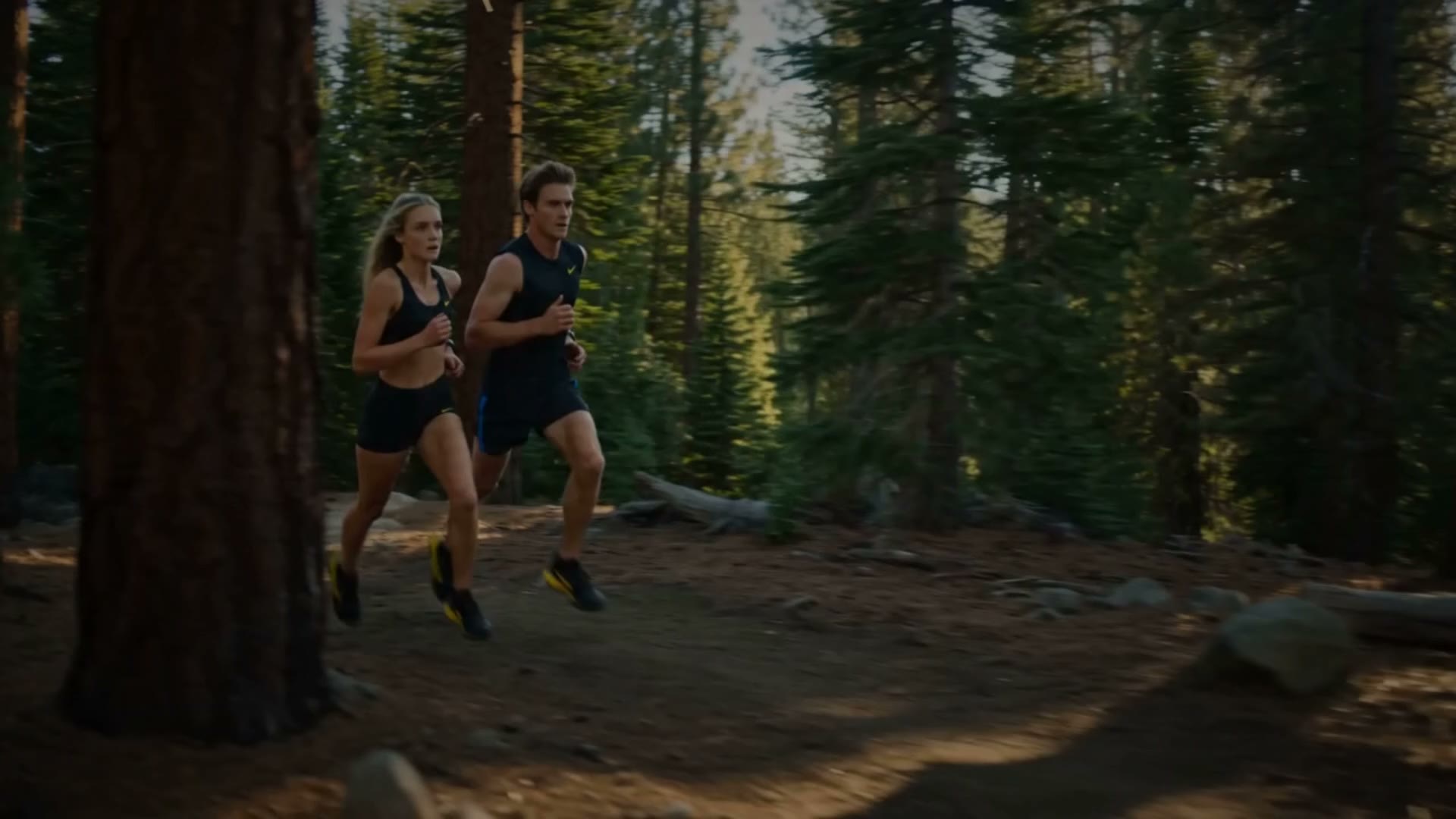
trail-run.mp4 on the timeline
Your clip2
trail-run.mp4
shoe-callout.webp on the timeline
Image3
shoe-callout.webp
defy-the-dirt.jpg on the timeline
Image4
defy-the-dirt.jpg
Add a shot —
click, or drop
testimonial-reel.mp4 · what the director read
Scenes0:00–0:03 she picks up the shoe, to camera · 0:03–0:08 turns it, the sole · 0:08–0:14 laces up, stands
What's said“okay so I've had these two weeks” … “the grip on wet rock is the thing” — every word timed
Safe zonessubject centre; top quarter clear for type; bottom third for captions
One pool of coverage
The take reel
several takes of the same actor inside one continuous shot — same face, same light, same room
Your clips
footage you filmed, a customer's video, last season's spot — read the same way on the way in
Your stills
product shots and finished ads become beats too — the pack shot, the callout, the close
Why it mixes
the director cuts by what's in each clip, not where it came from — a shot you filmed drops into a cast reel without a seam

You trim each take to the moment that matters, without clipping a word.

The hook, the demo, the close. The words are timed, so every window lands clean.

Step 4 · Trim to the moment

Click the star on a take and trim it to the moment — the hook, the demo, the close — without clipping a word

You don't cut the take; you pick the slices of it to show. Window the reel to the hook, then to the demo, then to the close — the same take dropped in three times, three moments. Because the actor's words are timed, a window never clips a word, and it leads with the breath before the line. Drag the slots to reorder. Nothing regenerates when you trim.

Trim · pick the slice(s) of the take to show
one take · three moments
The take being trimmed
0:02
0:09
0:13
0:000:15
BEAT 1 · 0:02
the hook
same take, its own window
BEAT 2 · 0:09
the demo
same take, its own window
BEAT 3 · 0:13
the CTA
same take, its own window
The words are timed
0:01.8okay so I've had these two weeks
0:08.4the grip on wet rock is the thing
0:12.9find your pair
A cut lands on a phrase boundary and leads with the breath. That's how a fifteen-second take becomes three clean beats instead of one clipped one.

You set the words and the sound, and the actor's voice stays the lead.

Captions follow her words. Type lands in the safe zones. Music ducks under her, and a narrator only speaks where she doesn't.

Step 5 · The words and the sound

Captions follow the actor's words, the type lands in the safe zones, and the actor's own voice carries the cut

The Words has the four lines — kicker, headline, subline, call to action — and Auto Caption, which karaokes the spoken words onto the frames as the actor says them, so the ad works with the sound off. Leave any line blank and the director writes it from the brand, placed off the subject in the kit's fonts and colours. The Sound keeps the actor's voice as the lead. Add a music bed to your direction and it ducks under her; add a narration direction and the narrator speaks only on the beats where nobody is talking.

The Words · Auto Caption on
Kicker
TWO WEEKS IN
Headline
the director writes this
Subline
the director writes this
Call to action
Find your pair
Auto Caption Video — the spoken words, on the frames
On the frame · type in the safe zone, captions on the words
A frame with the kicker placed and the captions karaoking
TWO WEEKS IN
Grip you can feel.
thegriponwetrockisthething
Find your pair
Kicker top, off her face. The headline was the director's. Captions light word by word as she says them.
The Sound · the actor leads
Her voice carries the cut. It is never muted — that's the whole point of a creator ad.
Music bed is ON — ducks under her voice
light, upbeat, stays out of the way
Narration direction (adds a narrator)
one line on the close, only where she isn't talking
the bed ducks under the voice

You create the cut, watch it, and change it by talking.

One line of direction and the ad plays in the preview. Every note becomes a new numbered take, instantly.

Step 6 · Create and iterate by talking

One line of direction, Create Video Cut, and the ad plays — then change it by talking, take after take

Say what the ad is for in the line at the top, keep Story 9:16 for a creator ad, and click Create Video Cut. The cut plays in the preview right away: the take windows, the captions, the type, the bed under her voice. What you're watching is a real finished UGC cut. Then use the Iterate bar under it — re-cut a take, hold the hook, drop a beat, bring the CTA forward, ask for a square version. Each turn is a new numbered take beside the last, instantly, and nothing regenerates.

A creator testimonial for the trail shoe — honest, unhurried, the grip is the point, end on the pair.
Story 9:16 ▾· Project: Trail shoe · testimonialCreate Video Cut
Your Video Cut — live preview
#1 · staged
A real finished UGC cut — the takes windowed to the moment, the text and the sound choreographed by the director.
Iterate by talking— change anything, no re-render#1#2#3#4#5
Re-cut the second take tighter and start right on the product reveal.window 2 re-timed · take #2
Hold the hook a beat longer before the demo.beat 1 extended · take #3
Drop the third take and bring the CTA forward.beat 3 removed · take #4
Warmer music, and give me a 1:1 version.bed regenerated · a square take #5
Tell the director what to change…Iterate
Every take is kept and numbered. Flip between them, pick the keeper. You're directing an editor, not re-rolling a generator — and the actor never changes between takes.

When it's right, you render it, and the project is on Brand Videos.

An MP4 with her voice and the captions baked in, reopenable on the timeline, or hand it to Claude to keep going.

Step 7 · Render and keep

Render the keeper — an MP4 with her voice, the captions and the bed baked in — and it's a project on Brand Videos

When a take is right, render it. Rendering is your click, never automatic, and the file lands in a couple of minutes: an MP4 with the actor's voice, the captions and the music baked in, and a looping GIF beside it. The ad is already a project on the client's Brand Videos page, under UGC — reopen it and every take, shot and trim loads back onto the timeline, or hand it to Claude and keep iterating in conversation. Re-cut it to a new format and swap the CTA in minutes.

Render take #4
Rendering…a couple of minutes
trail-shoe-testimonial-4.mp4
voice, captions and bed baked in
trail-shoe-testimonial-4.gif
looping, for the thread
Finished renders re-download any time. Casting new takes is the only step that costs, and it always asks first.
Brand Videos · UGC · the project
The project card on Brand Videos
Trail shoe · testimonialUGC Ad
5 takes · #4 rendered · 1 reel + 3 shots on the timeline
Open in the StudioLoad take #4's footage + trimsKeep iterating with Claude
The reel stays in the kit
the cast actor's takes are footage now — cut them again next month, a different format
Any aspect, in minutes
re-cut the same takes to square or landscape and swap the CTA
Hand it to Claude
the project id opens the same cut in conversation — keep iterating there

Or you say the whole thing to Claude, and it casts, shoots and cuts.

One playbook per format. It asks before anything costs, and renders on your word.

Or · Say it to Claude

Tell Claude the format and the product — it casts the creator, shoots the takes, cuts the ad, and asks before anything costs

Everything above can be said instead of clicked. Name a format and the product and Claude casts a fresh actor to that format's formula, shoots the takes, reads them, cuts the windows, captions the words, scores under the voice and hands you a live preview. You react in plain English, and it renders only when you say render. There's a playbook for every one of the fourteen formats, named for the ad you want.

“Cast a testimonial creator for the trail shoe and cut me a 9:16 ad — honest, the grip is the point. Show me the takes before you cut.”

casts it
the format, named → the actor, cast → the takes, shot and read → the cut, previewed → your notes → render, on your word
UGC testimonial UGC unboxing UGC tutorial / how-to UGC try-on / styling UGC problem → fix UGC friend interview UGC hyper-motion UGC street interview UGC walking & talking UGC mirror selfie UGC stream UGC podcast UGC car talking UGC show it off
Fourteen playbooks, one per format. Each carries the format's cast rule and beats, so the reel Claude shoots is the reel the format promises.
Good to know
  • Start with nothing, or with footage. No footage? Pick a format and a fresh actor is cast and shot for you. Already have creator clips? Cut those instead, or mix both. A pure product ad from stills is Motion Ad Studio's job; the two cross-link.
  • Casting new takes is the step that costs, and the studio names it and asks first. Preview and iteration are instant, and rendering lands in about two to three minutes.
  • The actor's voice is never muted. Music is optional and ducks under it; the narrator speaks only on beats where nobody is talking.
  • Generated takes carry no music and no baked-in text, on purpose. Both are layers the director adds after, so every window stays cuttable.
  • The spoken language is a setting in The Style. It defaults to English; set it before you generate.
The walk loops — the cast reel stays in the kit as footage. Next month's ad is a new format cut from takes you already paid for.
Open UGC Ad Studio

Pick the client's kit. Pick a format. Add the product. Generate takes, then cut the ad.