Walkthrough · Ad Campaigns
Stage it, publish it paused, watch the numbers come back.
Every ad the studios make lands in one campaign, gets staged per platform, and publishes paused to Meta, Google Performance Max and TikTok. Here's the whole walk, from the sidebar to the client's ad account and back.
The whole walk · seven stops
From a produced ad to a paused campaign — and back to the next ad
Seven stops, in the order the page runs them. Where it is, how a campaign gets created, how you work the bench, how creatives get staged and published, how performance lands, and how the loop turns.
You've got a dozen finished ads for the client, and they need to be live by Friday.
Ad Campaigns is in the sidebar under Ads & Commerce, once you've picked the client's kit. Here's exactly where to click.
Step 1 · Open Ad Campaigns
It's in the sidebar, under Ads & Commerce
Pick the client you're working on. Then open Ads & Commerce in the left sidebar and click Ad Campaigns. The page has three zones: the campaign list, the ads inside one, and the publish controls.
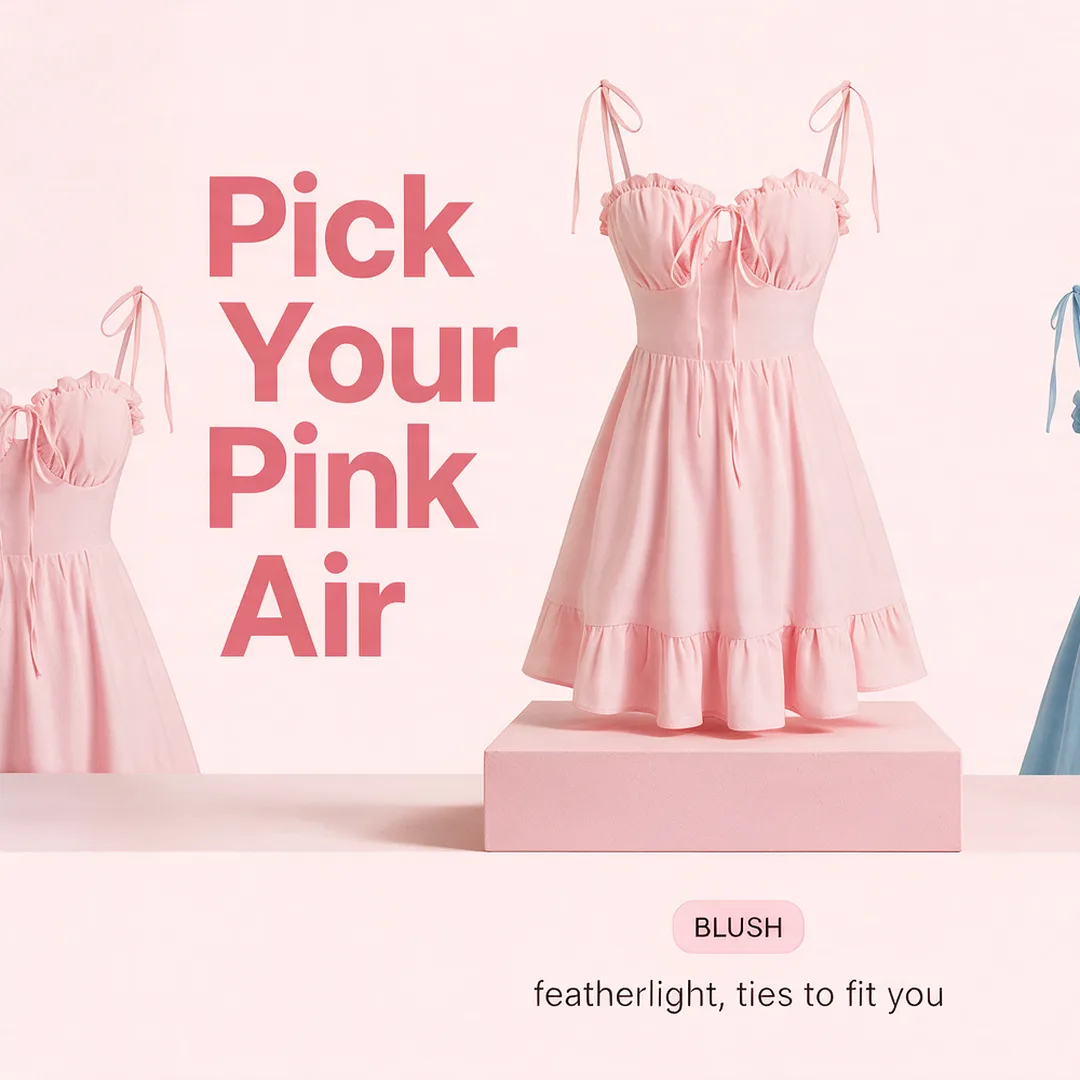
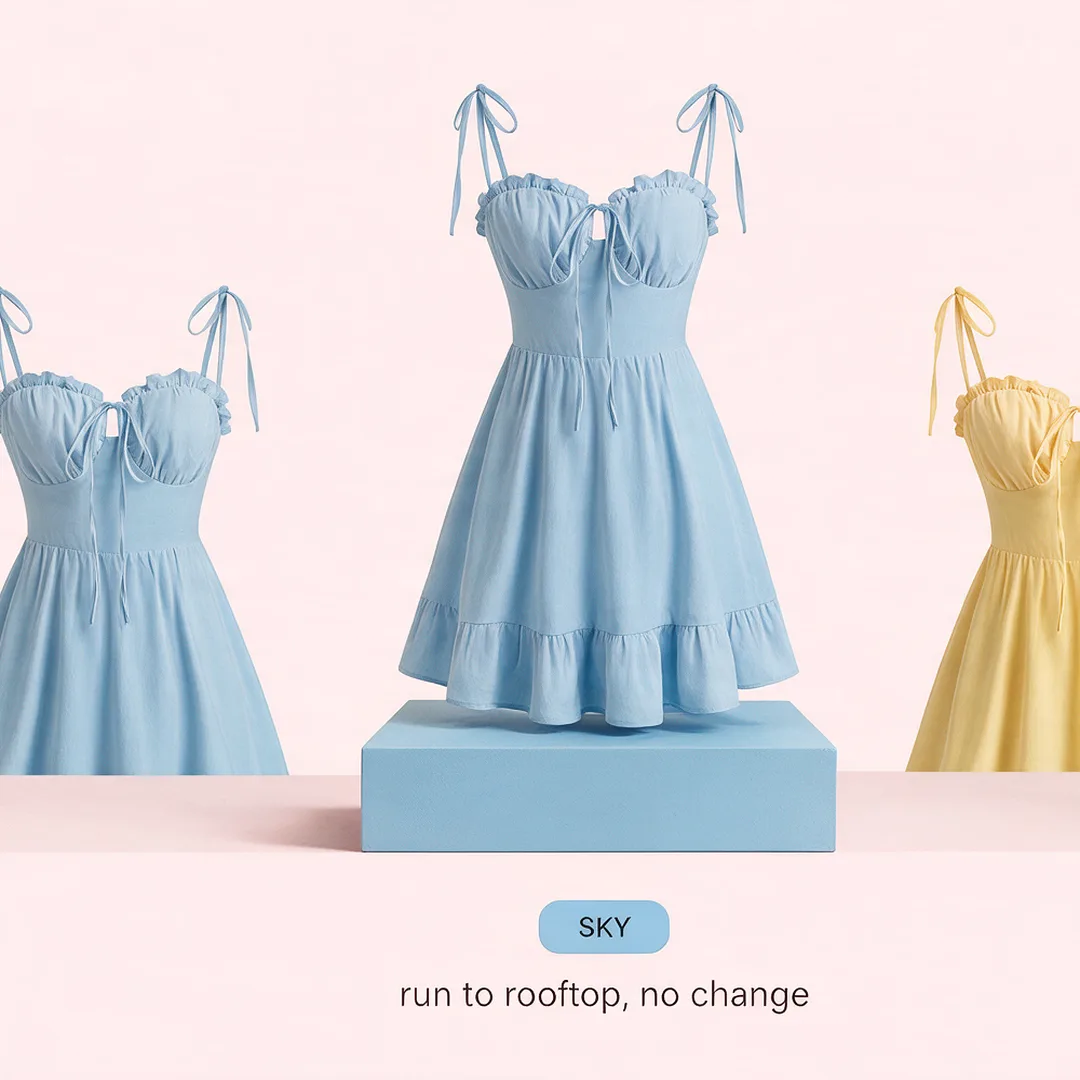
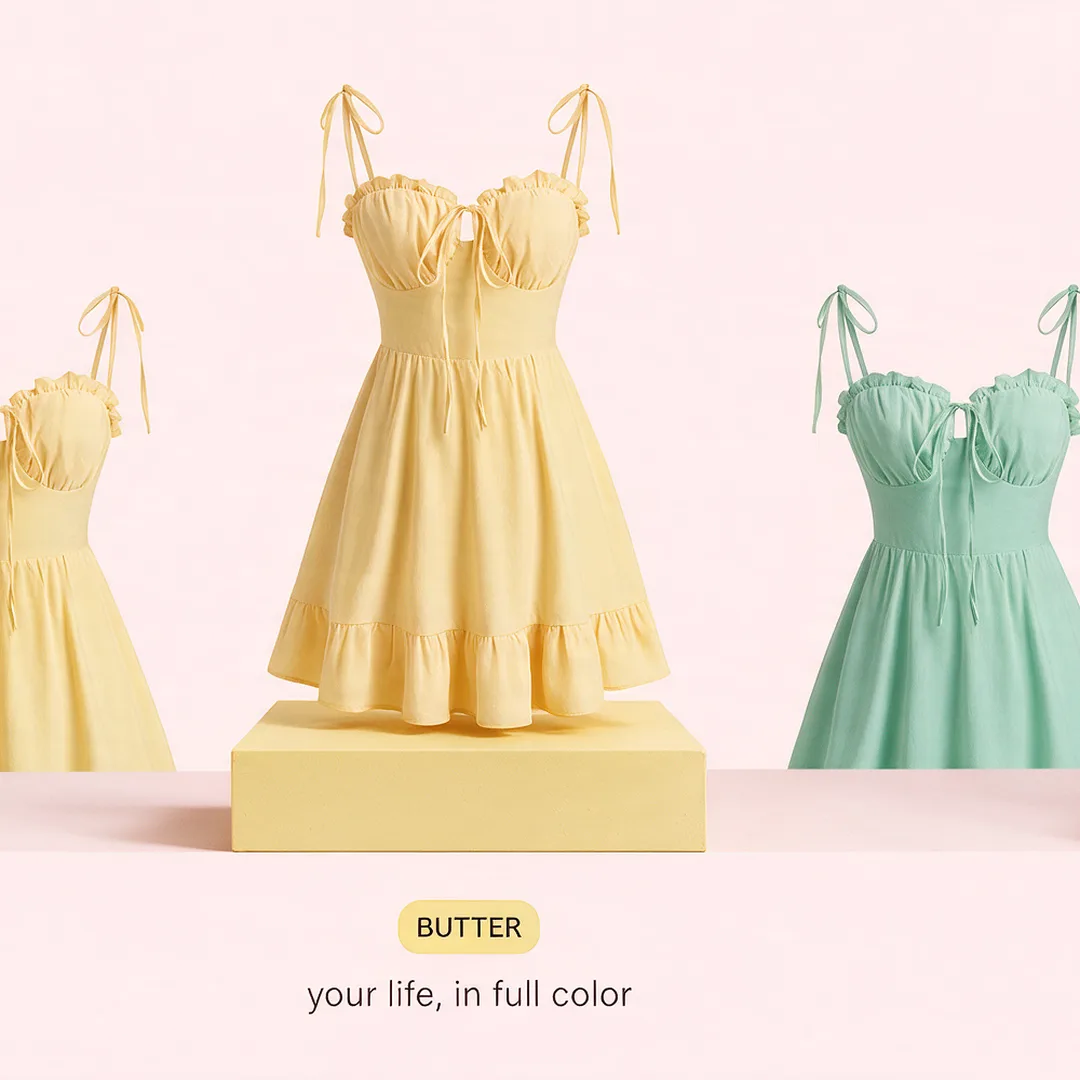
4 cards · staged for Meta
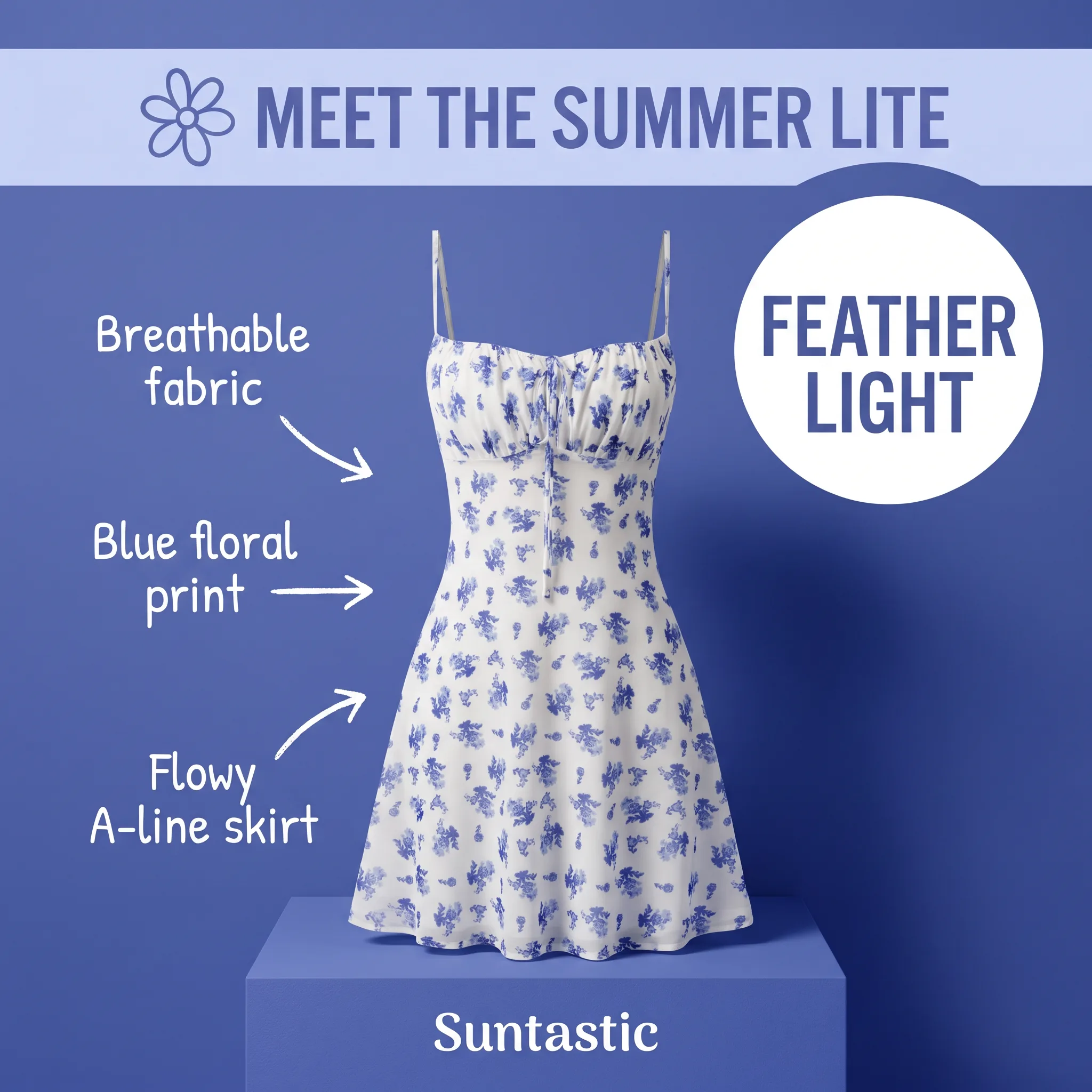


statics + a film · published · paused
First, you give the campaign a name, and everything made for it has a home.
Ad Campaigns takes creatives from every studio, the ad apps, the canvases and Claude, by the campaign's name.
Step 2 · Create a campaign
Click New project, name the campaign, and it becomes the home every concept lands in
New project asks which kind — a Campaign Ads project or a Carousel Ads project — and a name. Or create a campaign directly with Create Campaign, a name and a line of description. From then on, everything made for this client can be sent here: from the studios with Add to the campaign, from the ad apps and canvases with Save to Ad Campaign, or by telling Claude the campaign's name. Same name attaches; a new name creates. It never duplicates.
Then you work the bench — keep the winners, fix the small things, drop the rest.
The workbench is the whole campaign on one screen, with search that reads the ads and their numbers.
Step 3 · Work the bench
The workbench is the whole campaign on one screen — cherry-pick, search, tweak, remix
Open the campaign and every creative made for it sits in one grid: statics, carousels, films, with the copy they came with. Heart the keepers and drop the rest. Search the bench by what's in the ads or how they've performed — the search box understands “ads with a woman” and “my winning ads” alike. Crop and retouch an image or trim a video right here, remix any ad in place with the AI Variation Generator, and save a keeper to the brand kit for next time.

You stage each creative for the platforms it's going to run on.
One click on the platform icon. The tray collects what's staged and tells you what's missing.
Step 4 · Stage per platform
Click the platform icon on a card and it's staged — the tray tells you when it's ready
Each card carries three small platform icons. Click the Meta icon and the card is staged for Meta; PMax and TikTok work the same way, and one creative can be staged for all three. The platform tray collects what's staged, keeps a carousel's order, and reads Ready to publish — or lists the missing requirements plainly, like a headline or a video thumbnail, before you can go on.
You publish, and it lands in the client's ad account paused.
Each platform's real controls, saved as the kit's defaults. Nothing spends until someone switches it on in the console.
Step 5 · Publish paused
Publish from the tray — every platform object is created paused, so nothing spends until you switch it on
Each tray publishes with the platform's own controls: budget, targeting, the conversion event, the copy. Google Performance Max writes its text for you from a concept or the landing page, and you edit it. TikTok can score a carousel with on-brand music. Whatever you set can be saved as the kit's defaults for next time. And every campaign, ad set and ad is created paused — you turn it on in the platform's own console, when you're ready. That's the spend gate, and it never moves.
Once it runs, the numbers come back onto the exact creative.
Impressions, clicks, reach, conversions, on the card, refreshed on a schedule. Winners get badged.
Step 6 · The numbers come back
Once it runs, performance lands on the exact creative that earned it
Turn the campaign on in the console and the numbers start coming home — onto the card, not into a spreadsheet. Each creative shows its own impressions, clicks and reach from Meta, conversions from Google, likes, shares and average play from TikTok, refreshed on a schedule. Winners get badged; ads that need a look get flagged for review. And campaigns your client ran before StyleForge, or straight in Ads Manager, sync in as first-class campaigns — same cards, same numbers, badged External.
Then Campaign Pulse tells you what to do next, and the next ad starts from the winner.
What needs attention, what's working, what shipped, and a Stage button that opens the fix.
Step 7 · Improve
Campaign Pulse answers Monday's three questions — what needs attention, what's working, what shipped
Command · Campaign Pulse on the kit is the seat for the person responsible for performance. It watches the connected Meta account and flags what needs attention — a creative fatiguing, a loser still spending, a winner that's plateaued — with the numbers behind each finding and two buttons: Stage the fix, or Dismiss. Below it, the winners with their trend, and the ledger of everything that shipped and who shipped it: your team, your AI agent, or the client directly. Stage a fatigue fix and it opens the workbench with the recasts queued. That's the loop — the numbers come back, and the next ad starts from the one that won.
Or you say the whole thing to Claude, and it publishes paused after you confirm.
By the campaign's name, with the assets and copy shown first. The pulse is in the conversation too.
Or · Say it to Claude
Claude publishes by name, paused, after you confirm — and holds the same pulse in conversation
Everything above can be said instead of clicked. Claude saves creatives to a campaign by its name, stages them, and publishes to Meta as a paused draft — after showing you exactly what will go up and waiting for your confirmation. It reads performance back against the same cards, tells you what needs attention, and can stage the fix and generate the recasts in the same conversation. The page and the chat can never disagree; they read the same account.
“Save the three hearted statics to Summer Drop — Ads and publish them to Meta as a paused draft. Show me what goes up first.”
- Connect the platforms first. An owner or admin connects Meta, Google PMax and TikTok once on the kit's Ad Platforms page; from then on the whole team can publish.
- Every publish lands paused. Campaigns, ad sets and ads are created paused on every platform. Switching them on is a person's click in the platform's own console.
- Campaign Pulse watches Meta today. Google PMax and TikTok performance shows on the cards; the attention queue and the ledger cover Meta.
- External campaigns sync in as first-class campaigns, badged External. Because they're already live, publishing is disabled on them.
- Claude publishes to Meta, and only after showing you the assets, the copy and the budget and getting your confirmation. Google PMax and TikTok publishing is done on the page.
Pick the client's kit. Create the campaign. Stage, publish paused, and let the numbers come back.